

In the vast and varied tapestry of global cuisine, certain dishes carry the weight of history, culture, and comfort in their very essence. They are not always the most glamorous or intricately plated creations, but rather the humble, steadfast pillars of everyday life. In Germany, one such foundational element, particularly in the southern regions like Swabia and Bavaria, is the Pappedecke. More than just a soup garnish, the Pappedecke is a culinary concept, a testament to resourcefulness, and a warm, doughy embrace in a bowl. This article delves into the world of the Pappedecke, exploring its origins, its cultural significance, and its delightful, if often overlooked, role at the family table.
To understand the Pappedecke, one must first dissect the word itself. “Pappe” in German translates to “cardboard” or “pasteboard,” while “Decke” means “cover” or “blanket.” At first glance, this might seem unappetizing—a “cardboard blanket.” However, the name is not a comment on flavor, but on texture and function. A proper Pappedecke is a simple, unleavened dough made from flour, water, and a pinch of salt, which is rolled out thinly, cut into squares or rectangles, and boiled. The resulting texture is soft, dense, and pleasantly chewy, providing a substantial, blanket-like layer at the bottom of a soup bowl, soaking up the flavorful broth and transforming a light soup into a satisfying meal.
The Humble Origins: A Tale of Resourcefulness
The story of the Pappedecke is inextricably linked to the principles of frugality and Resteverwertung (the use of leftovers), which are deeply ingrained in German home cooking, especially in times past. Before the era of abundance, nothing in the kitchen was wasted. A simple broth made from a leftover ham bone, a few garden vegetables, and water could be stretched to feed a family of six with the addition of a Pappedecke. The ingredients for the dough were pantry staples—flour was cheap and always on hand. This simple addition turned a thin, watery soup into a carbohydrate-rich, belly-filling dish that could sustain farmers, laborers, and children through a long day.
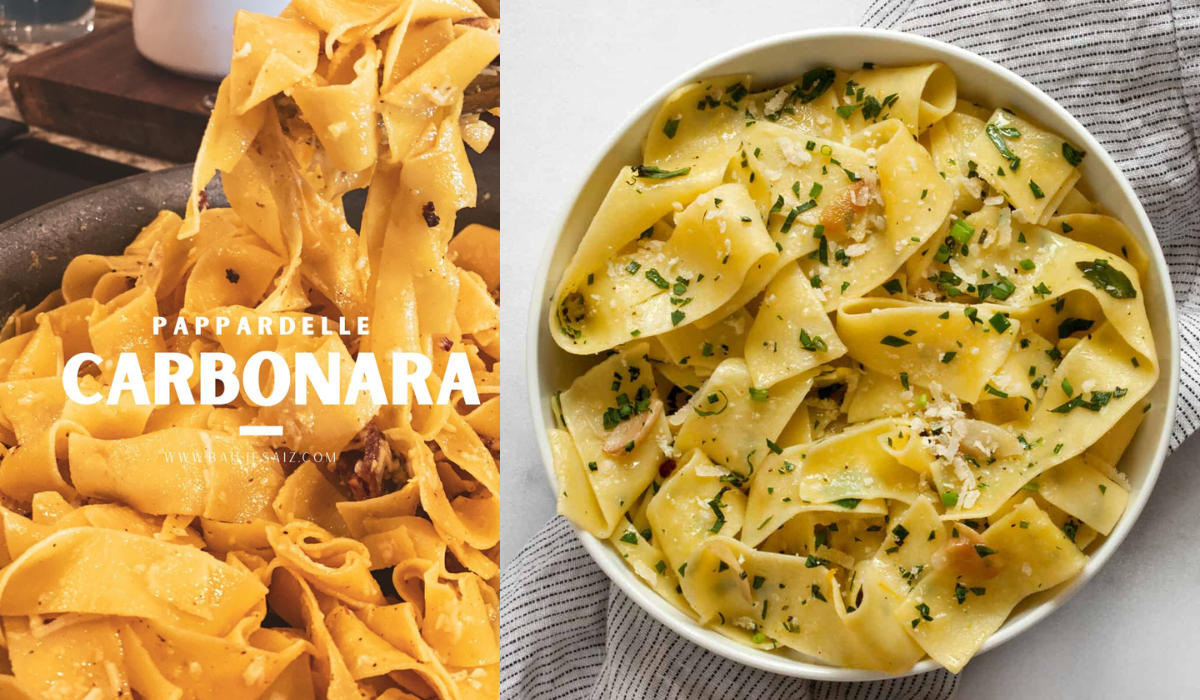
It is the European cousin to the dumpling, but with a distinct identity. Unlike fluffy semolina knödel or bread dumplings, the Pappedecke is flat and unleavened. It shares more DNA with Italian pasta, specifically the broad, ribbon-like pappardelle, than with a light, airy bread roll. In fact, the linguistic and culinary connection is striking. The Italian word “pappardelle” is thought to derive from the verb “pappare,” meaning to gobble up food. The German “Pappe” in this context likely shares a similar, onomatopoeic root related to a soft, mushy food substance, ideal for “gobbling.” Both Pappedecke and pappardelle are simple, flour-based comfort foods designed to carry and absorb the sauces—or soups—they are served with.
The Art of Making a Pappedecke: Simplicity Itself
Creating a Pappedecke is a culinary ritual that requires no special equipment, only a feel for the dough. The process is meditative in its simplicity:
- The Dough: In a large bowl, combine about 250 grams of all-purpose flour (Type 405 in Germany) with a pinch of salt. Gradually add approximately 125ml of lukewarm water, mixing with a fork or your hands until a shaggy dough forms.
- The Knead: Turn the dough out onto a floured surface and knead vigorously for 5-10 minutes. The goal is a smooth, firm, and elastic ball. This kneading process develops the gluten, which gives the Pappedecke its characteristic chew.
- The Roll: Using a rolling pin, roll the dough out into a thin, even sheet, about 2-3 millimeters thick. The shape doesn’t have to be perfect; a rough rectangle or circle is fine.
- The Cut: With a sharp knife or a pastry wheel, cut the dough into small, bite-sized rectangles or squares, typically around 2×4 cm. A light dusting of flour prevents them from sticking together.
- The Boil: Drop the dough pieces into a large pot of generously salted, boiling water. They will sink initially and then float to the surface as they cook. Let them boil for another 2-3 minutes after they float until they are tender but still offer a slight resistance to the bite.
The result is a batch of soft, matte, off-white dough pieces, ready to become the foundation for a soul-warming soup.
Beyond the Basic Broth: The Pappedecke in Modern Cooking
While traditionally served in a clear beef or vegetable broth, the versatility of the Pappedecke is being rediscovered by a new generation of home cooks. Its neutral flavor and substantial texture make it an excellent canvas for a variety of dishes:
- In Creamy Soups: A Pappedecke adds heartiness to creamy mushroom, asparagus, or chicken soups, providing a textural contrast to the velvety liquid.
- As a Side Dish: Instead of potatoes or spaetzle, boiled Pappedecke can be tossed with melted butter and fresh parsley, served alongside a roast or goulash.
- The “Pappardelle” Treatment: Embracing its Italian cousin’s spirit, one can use a slightly richer dough (incorporating an egg) and roll it even thinner to create a homemade, rustic version of pappardelle. These would be superb with a rich wild boar ragu or a simple sage and brown butter sauce, beautifully blurring the lines between German and Italian culinary traditions.
- A Sweet Variation: In some family recipes, a sweeter version of the dough, perhaps with a touch of sugar, is boiled and then served with stewed fruits, cinnamon, and sugar, akin to Austrian Schupfnudeln.
The Pappedecke represents a slower, more hands-on approach to cooking. In a world of instant noodles and pre-made meals, the act of making dough from scratch for a soup garnish is a deliberate choice to connect with the food we eat and the traditions we inherit.
A Culinary Heirloom Worth Preserving
The Pappedecke may not be featured on the menus of trendy restaurants, but its value is immeasurable. It is a dish that speaks of grandmothers’ kitchens, of cold winter evenings, and of the profound satisfaction that comes from creating something nourishing from the simplest of ingredients. It is a edible piece of cultural history, a reminder that some of the best food isn’t about complexity or expense, but about heart, history, and the simple, doughy blanket we lay at the bottom of a bowl to turn soup into a meal.
Informational FAQs About Pappedecke
1. Is Pappedecke the same as spaetzle?
No, they are different. While both are German eggless dough preparations, spaetzle is typically made with a wetter, batter-like dough that is scraped or pressed through a colander into boiling water, resulting in small, irregularly shaped noodles with a softer, more delicate texture. Pappedecke is a stiffer, kneaded dough that is rolled flat and cut into defined shapes, yielding a denser, chewier result.
2. Can I add other ingredients to the Pappedecke dough?
Absolutely. While the classic recipe is plain, it’s common to add finely chopped herbs like parsley or chives for color and flavor. Some variations might include a small amount of finely grated nutmeg or even incorporate pureed spinach for a green hue.
3. How should I store leftover cooked Pappedecke?
Store them in an airtight container in the refrigerator for up to 2-3 days. To prevent them from sticking together, toss them with a tiny bit of oil or butter after cooking and draining. They can be reheated gently in the soup or by briefly dipping them in hot water.
4. Can Pappedecke be made in advance?
Yes, you can make the dough ahead of time, wrap it tightly in plastic wrap, and refrigerate it for up to a day before rolling, cutting, and boiling. You can also boil them and store them as mentioned above for a quick meal component later.
5. Is Pappedecke considered a healthy food?
As a primarily carbohydrate-based food, it is a good source of energy. Its healthfulness depends on the context of the entire meal. In a clear vegetable broth, it’s a balanced, light meal. In a rich, creamy soup, it becomes more calorie-dense. Being made from simple, whole ingredients without preservatives, it is a wholesome choice compared to many processed foods.
6. What is the main difference between Pappedecke and Italian pappardelle?
The primary difference lies in the use of eggs. Traditional German Pappedecke is typically unleavened and eggless, making it a very simple, frugal dough. Italian pappardelle, on the other hand, is an egg pasta, made with “00” flour and a high proportion of eggs, which gives it a richer flavor, a more vibrant yellow color, and a silkier, more elastic texture.