

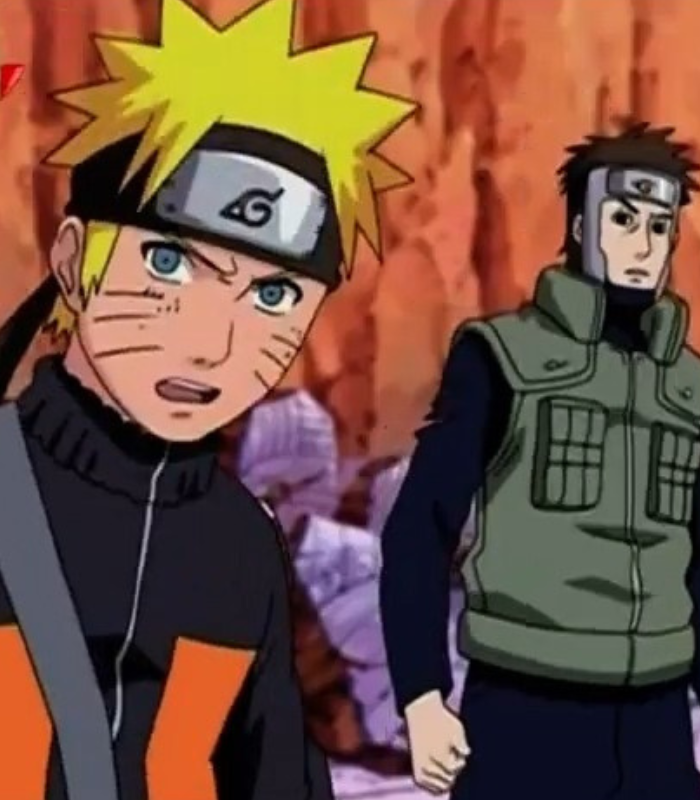
If you were a kid in Lithuania anytime over the last decade or so and had a TV that landed on the right channel at the right hour, you probably know the name Narutas Viesulo Kronikos. It’s the Lithuanian title given to Naruto: Shippuden, the Japanese anime that followed Masashi Kishimoto’s original manga. For a lot of viewers, this wasn’t just background noise while eating an after-school snack. It was, honestly, their first real taste of anime as a genre — something louder, sadder, and weirder than the cartoons they’d grown up on.
So What Does the Title Actually Mean?
Nothing too mysterious here. “Narutas” is just how the main character’s name, Naruto, gets written and said in Lithuanian. “Viesulo Kronikos” is the trickier part, and it translates to something like “Chronicles of the Whirlwind.” Whoever came up with that clearly wanted to keep some of the restlessness and chaos that defines Naruto as a character, rather than going with a flat, literal translation. That’s fairly typical of how dubbed anime titles work — you’re not just swapping words, you’re trying to keep the feeling intact.
Catching You Up on the Story
Naruto: Shippuden kicks off two and a half years after where the original series left off. Naruto Uzumaki — who used to be the village screwup, more or less — comes back to the Hidden Leaf Village a changed person. He’d been off training under Jiraiya, one of the legendary Sannin, and he returns sharper, calmer (a little), and still fixated on one thing: keeping a promise he made to his teammate Sakura that he’d bring back Sasuke, who’d walked away from the village chasing power on his own terms.
From there, things get bigger and messier. An organization called Akatsuki starts making moves, going after the tailed beasts — and it turns out one of those beasts is sealed inside Naruto. That thread eventually pulls the whole story into the Fourth Great Ninja War, which is arguably the biggest arc the franchise ever attempts.
Why the Dub Actually Worked
Dubbing anime is a much harder job than people give it credit for. Japanese voice performances tend to lean into big, dramatic emotion — yelled attack names, long pauses before a reveal, characters shouting each other’s names in the middle of a fight for no practical reason other than emphasis. None of that translates cleanly. Do it wrong and it sounds ridiculous in another language.
What the Lithuanian cast managed to do was avoid a word-for-word approach and instead adapt the performances so they’d land the same way emotionally. Naruto still came across as this loud, stubborn kid who wouldn’t quit. Sasuke kept that cold, closed-off delivery. The heavier scenes — and there are plenty in this show — didn’t lose their punch just because the language changed. Even the jutsu names, which can sound awkward outside Japanese, ended up sounding fairly natural once spoken aloud in Lithuanian.
It Wasn’t Really “Just a Cartoon”
Part of why this show stuck with people is that it doesn’t pull punches. Characters die. People betray each other. There’s real fallout from war, not just flashy fight choreography. That caught a lot of Lithuanian audiences a bit off guard at first, since animated shows up to that point had mostly stayed pretty light.
Because of that, the audience for Narutas Viesulo Kronikos ended up stretching well past small kids. Teenagers stuck around. So did a fair number of adults, probably drawn in by things like the tension between Naruto and Sasuke, or watching Sakura go from being kind of useless early on to actually holding her own.
The Effect It Had Beyond the Screen
The show’s popularity spilled over into other things. Manga sales grew. Anime meetups and fan gatherings started popping up more often. Other broadcasters and platforms noticed the interest and eventually brought over related shows, including the follow-up series centered on the next generation of ninjas.
There’s also a social side to it that’s easy to overlook. The show gave a lot of people — strangers, classmates, whoever — a shared thing to talk about. Arguing over who’d win a fight, or which arc was the best, became its own little ritual for a lot of fans.
What the Show Was Really About
Strip away the ninjas and the jutsu and what’s left is pretty simple: a story about not giving up even when you keep failing, about loyalty even when it costs you something, and about people being able to change, even the ones who seem beyond saving early on. Those aren’t especially “Japanese” themes — they’re just human ones, which is probably why the show found an audience as far from Japan as Lithuania.
Wrapping It Up
Narutas Viesulo Kronikos isn’t just a nostalgic footnote for Lithuanian viewers who grew up with it. It’s a decent case study in how to localize something without flattening what made it good in the first place. Whether someone watches it now purely for nostalgia or as a way into anime more broadly, it’s hard to argue the show didn’t leave a mark on the people who watched it the first time around.
Frequently Asked Questions
What exactly is Narutas Viesulo Kronikos?
It’s simply the Lithuanian dub of Naruto: Shippuden — the second half of the Naruto anime, based on Masashi Kishimoto’s manga.
What does “Viesulo Kronikos” mean?
Roughly, “Chronicles of the Whirlwind.” It’s meant to capture Naruto’s restless, high-energy personality rather than being a strict word-for-word translation.
Is it appropriate for younger kids?
There’s a fair amount of fighting, and the story deals with death and loss more directly than most kids’ shows, so it tends to suit older children and teens better than very young viewers.
How does Shippuden differ from the original Naruto?
It picks up after a two-and-a-half-year time skip, with an older cast, higher stakes, and a much bigger overarching story involving Akatsuki and eventually a full-scale ninja war.
Where can this be watched now?
That depends on current licensing, so checking whatever streaming platforms or broadcasters are active in Lithuania at the moment is the safest bet.
Why did it catch on with so many people?
Probably a mix of things—a genuinely well-done local dub, characters people actually cared about, and themes like friendship and persistence that hit regardless of where you’re watching from.
Is there anything that continues the story afterward?
Yes—Boruto picks things up with Naruto’s son and a newer generation of ninjas from the same village.