

Introduction
Foenegriek, commonly known as fenugreek in English, is a versatile herb that has been valued for centuries in traditional medicine, culinary practices, and agriculture. Native to parts of Asia, the Mediterranean region, and the Middle East, Foenegriek has gained worldwide popularity due to its nutritional profile and potential health-supporting properties.
The plant produces aromatic seeds and green leaves that are widely used in cooking. Beyond its culinary importance, Foenegriek has a rich history in herbal traditions where it has been utilized to support digestion, general wellness, and overall vitality.
This article explores everything you need to know about Foenegriek, including its nutritional value, health benefits, culinary applications, cultivation methods, and frequently asked questions.
What Is Foenegriek?
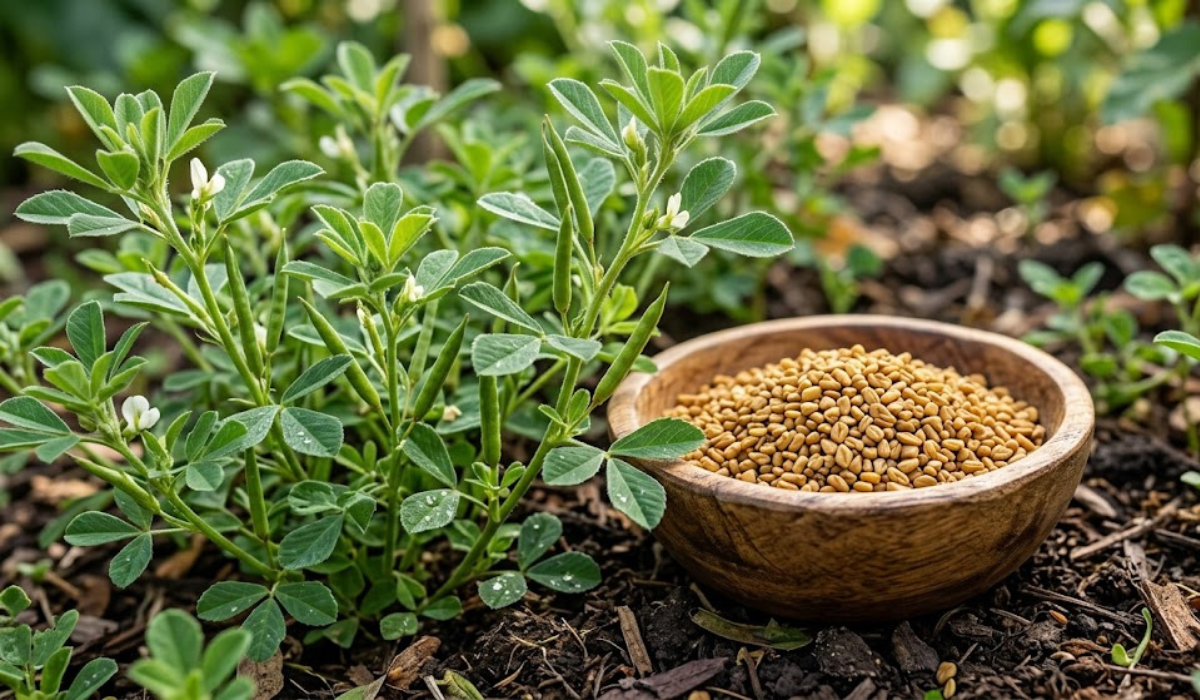
Foenegriek (Trigonella foenum-graecum) is an annual herb belonging to the legume family. The plant typically grows between 30 and 60 centimeters tall and produces small white flowers and golden-brown seeds.
Both the seeds and leaves are edible. The seeds possess a slightly bitter, nutty flavor, while the leaves offer a milder taste that complements many dishes. Because of its unique aroma and nutritional content, Foenegriek is used in cuisines around the world.
Nutritional Value of Foenegriek
Foenegriek contains a variety of nutrients that contribute to a balanced diet. Its seeds are particularly rich in:
- Dietary fiber
- Plant-based protein
- Iron
- Magnesium
- Potassium
- Manganese
- Vitamin B6
- Antioxidants
- Beneficial plant compounds
The high fiber content is one of the reasons Foenegriek is often included in healthy eating plans.
Health Benefits of Foenegriek
1. Supports Digestive Health
One of the most recognized benefits of Foenegriek is its contribution to digestive wellness. The seeds contain soluble fiber, which may help support normal digestion and promote gut comfort.
Many traditional cultures have used Foenegriek tea and soaked seeds as part of digestive routines.
2. Rich Source of Antioxidants
Foenegriek contains natural antioxidants that help protect cells from oxidative stress. Antioxidants play an important role in maintaining overall health and supporting the body’s natural defense mechanisms.
Regular consumption of antioxidant-rich foods can contribute to a healthy lifestyle.
3. May Help Support Healthy Blood Sugar Levels
Research has explored the relationship between Foenegriek and blood sugar management. The fiber and plant compounds found in the seeds may help support normal glucose metabolism when combined with a balanced diet and healthy lifestyle.
However, individuals with medical conditions should always consult healthcare professionals before using herbal supplements.
4. Supports Heart Health
Foenegriek contains fiber and beneficial plant compounds that may contribute to cardiovascular wellness. A heart-friendly diet often includes fiber-rich foods, and Foenegriek can be a useful addition.
Maintaining healthy cholesterol levels, regular exercise, and a nutritious diet remain the foundation of heart health.
5. Provides Plant-Based Protein
For vegetarians and individuals seeking alternative protein sources, Foenegriek offers a modest amount of plant protein. Protein is essential for muscle maintenance, tissue repair, and overall body function.
6. Traditionally Used for Women’s Wellness
Historically, Foenegriek has been included in traditional herbal practices related to women’s health. Various cultures have used it during different stages of life, although scientific evidence continues to evolve.
Anyone considering herbal remedies should seek professional medical advice.
Culinary Uses of Foenegriek
Foenegriek Seeds
The seeds are commonly used in:
- Curry blends
- Spice mixes
- Pickles
- Soups
- Stews
- Herbal teas
Roasting the seeds can reduce bitterness and enhance their nutty flavor.
Foenegriek Leaves
Fresh and dried leaves are frequently added to:
- Vegetable dishes
- Flatbreads
- Rice recipes
- Lentil preparations
- Meat-based dishes
The leaves contribute a pleasant earthy flavor that enhances many recipes.
Foenegriek Tea
Foenegriek tea is prepared by steeping seeds in hot water. The resulting beverage has a warm, slightly sweet aroma and is enjoyed in various cultures as part of traditional wellness practices.
How to Grow Foenegriek
Growing Foenegriek is relatively simple, making it a suitable choice for home gardeners.
Step 1: Select the Right Location
Choose a location that receives plenty of sunlight. Foenegriek grows best in warm conditions with good air circulation.
Step 2: Prepare the Soil
Well-draining soil enriched with organic matter supports healthy plant growth. The soil should remain moist but not waterlogged.
Step 3: Sow the Seeds
Plant seeds directly into the soil at a shallow depth. Space them adequately to allow healthy development.
Step 4: Water Regularly
Consistent watering helps maintain steady growth. Avoid excessive watering, as overly wet conditions may damage roots.
Step 5: Harvest
Leaves can often be harvested within a few weeks, while seeds require a longer growing period until the pods mature and dry.
Traditional Uses of Foenegriek
Throughout history, Foenegriek has been valued in various cultures for practical and traditional purposes.
Ancient civilizations used the herb in food preparation, herbal mixtures, and agricultural systems. Historical records indicate that it was cultivated in regions across Asia, North Africa, and Europe.
Its adaptability and usefulness have helped maintain its popularity for generations.
Potential Side Effects and Precautions
Although Foenegriek is generally considered safe when consumed as a food ingredient, some individuals may experience:
- Digestive discomfort
- Mild bloating
- Allergic reactions
- Changes in body odor due to certain plant compounds
Pregnant women, nursing mothers, and individuals taking medications should consult healthcare providers before consuming large amounts or supplements containing Foenegriek.
Foenegriek in Modern Nutrition
Today, Foenegriek is increasingly incorporated into health-conscious diets due to its nutritional profile. It can be found in:
- Herbal teas
- Nutritional supplements
- Spice blends
- Functional foods
- Wellness products
Despite growing popularity, it is important to remember that Foenegriek is most effective as part of a balanced lifestyle rather than a standalone solution.
Conclusion
Foenegriek is a remarkable herb with a long history of culinary and traditional use. Its nutrient-rich seeds and flavorful leaves make it a valuable addition to many diets around the world. From supporting digestive wellness to providing antioxidants and plant-based nutrients, Foenegriek offers numerous potential benefits.
Whether you are interested in cooking, gardening, or learning about traditional herbs, Foenegriek remains a fascinating plant that continues to earn recognition in modern nutrition and wellness discussions.
Frequently Asked Questions (FAQs)
1. What is Foenegriek?
Foenegriek is the Dutch name for fenugreek, a herb whose seeds and leaves are commonly used in cooking and traditional wellness practices.
2. Can Foenegriek be eaten daily?
Yes, Foenegriek can generally be consumed as part of a balanced diet. Moderation is recommended.
3. What does Foenegriek taste like?
The seeds have a slightly bitter, nutty flavor, while the leaves are milder and more aromatic.
4. Is Foenegriek good for digestion?
Foenegriek contains dietary fiber, which may support normal digestive function and gut health.
5. How is Foenegriek used in cooking?
It is commonly used in curries, spice blends, soups, teas, breads, and vegetable dishes.
6. Can I grow Foenegriek at home?
Yes. Foenegriek is relatively easy to grow in sunny locations with well-draining soil.
7. Are Foenegriek seeds nutritious?
Yes. They contain fiber, protein, minerals, antioxidants, and beneficial plant compounds.
8. Are there any side effects?
Some individuals may experience digestive discomfort or allergic reactions. Consult a healthcare professional if you have concerns.