

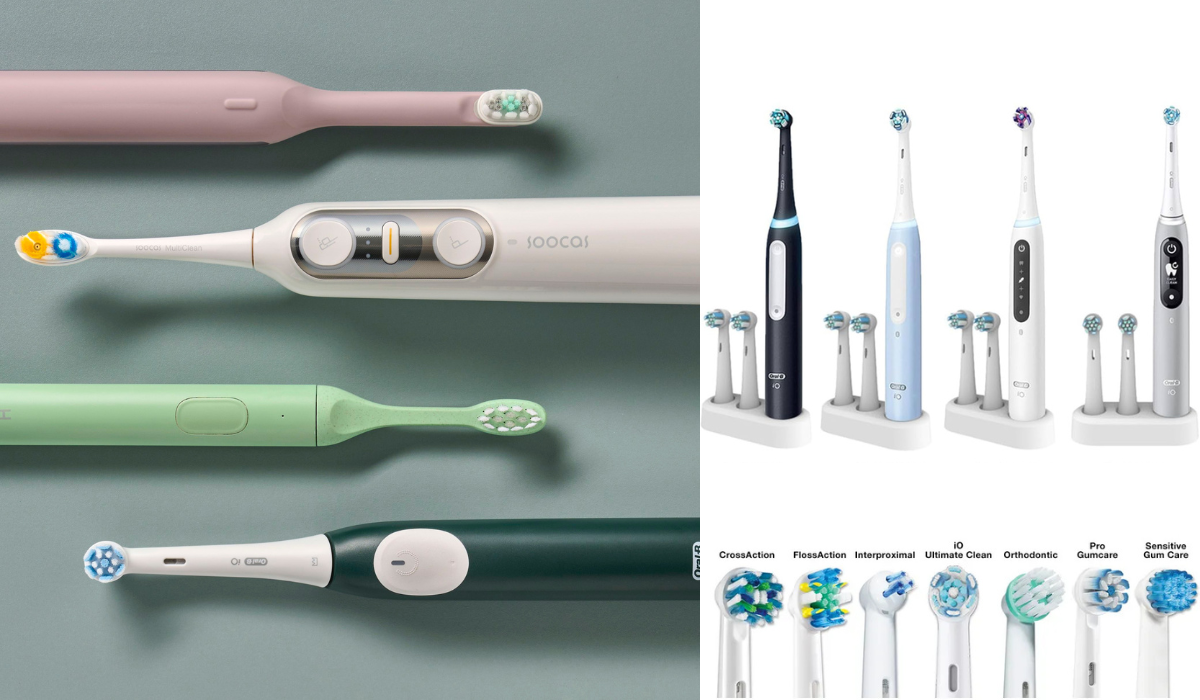
Brushing teeth is one of those daily habits most people learn before they can tie their shoes, yet the tools used for this simple task have changed dramatically over the last few decades. Electric toothbrushes, once seen as a novelty, are now a common fixture in bathrooms around the world. Understanding how these devices work, what makes them different from manual brushing, and how to use them correctly can help people make more informed choices about their oral care routine.
What Is an Electric Toothbrush?
An electric toothbrush is a dental hygiene tool that uses a battery-powered motor to move the bristle head in rapid, repetitive motions. Instead of relying entirely on hand movement, the device does much of the mechanical work, allowing the bristles to reach plaque and debris that might otherwise be missed with manual brushing alone. The first patents for powered brushing devices date back to the mid-20th century, but the technology has evolved significantly since then, becoming smaller, quieter, and more efficient.
How Electric Toothbrushes Work
At the core of every electric toothbrush is a small motor connected to the brush head. Depending on the design, this motor either spins the head in a circular motion, vibrates it at high speed, or combines both movements. The bristles then make contact with the tooth surface and gum line far more frequently per second than a hand ever could during manual brushing. This higher frequency of movement is what allows electric brushes to dislodge plaque and food particles more effectively in many cases.
Most modern electric toothbrushes also include a small built-in timer. This feature pulses or beeps at set intervals, often every 30 seconds, to remind the user to move to a different section of the mouth. The goal is to encourage an even, complete brushing session across all four quadrants of the mouth, which is something many people unintentionally skip when brushing manually.
Types of Electric Toothbrushes
There are a few broad categories of electric toothbrushes, each using a slightly different mechanism:
Oscillating-rotating brushes have a small, round brush head that spins back and forth. This motion is designed to mimic the circular technique dentists often recommend, removing plaque through direct mechanical contact.
Sonic toothbrushes vibrate at very high speeds, typically tens of thousands of movements per minute. The vibration creates a sweeping motion across the teeth and can also agitate fluid around the bristles, helping to disrupt plaque even in areas the bristles don’t directly touch.
Ultrasonic toothbrushes operate at even higher frequencies than sonic brushes, sometimes beyond the range of human hearing. These rely heavily on the vibration of fluids and bristles to break down plaque structures rather than purely mechanical scrubbing.
Each type has its own feel and sound, and personal comfort often plays a large role in which style someone prefers to use consistently.
Electric vs. Manual Brushing: What the Research Suggests
Dental researchers have studied the difference between electric and manual brushing for years. A number of clinical reviews, including those published by Cochrane, have found that powered toothbrushes, particularly oscillating-rotating types, can reduce plaque and gingivitis more than manual brushing over time. The difference is generally modest but consistent across studies.
It’s worth noting that technique still matters enormously. A manual toothbrush used correctly, for the full recommended two minutes, with proper angle and gentle pressure, can be just as effective for many individuals as an electric brush used incorrectly. Electric toothbrushes tend to help most when they correct common brushing mistakes, such as brushing too quickly, missing certain areas, or applying uneven pressure.
Who Tends to Benefit Most
While anyone can use an electric toothbrush, certain groups may notice a more meaningful difference. People with limited hand dexterity, such as older adults or those with arthritis, often find that the brush’s automated motion requires less fine motor control than manual brushing. Individuals with braces or other orthodontic appliances sometimes find it easier to clean around brackets and wires with a powered brush head. People who have a tendency to brush too hard may also benefit from models with built-in pressure sensors that alert them when they’re pressing too firmly, since aggressive brushing can contribute to gum recession over time.
Proper Technique Still Applies
A common misconception is that an electric toothbrush does all the work on its own. In reality, technique remains important. Dental professionals generally recommend holding the brush at a slight angle toward the gumline, allowing the device to do the scrubbing motion rather than manually scrubbing back and forth as one might with a manual brush. The head should be guided slowly from tooth to tooth, spending a few seconds on each surface, rather than rushed across the whole mouth. Light pressure is usually sufficient, since the brush’s mechanical motion already provides most of the cleaning action.
Maintenance Considerations
Electric toothbrush heads typically need replacing every three months, similar to the guidance for manual brushes, since frayed or worn bristles lose their effectiveness. The handle itself, which houses the motor and battery, usually lasts several years with proper care. Keeping the charging contacts dry and avoiding submerging the handle fully in water (unless specifically rated for it) helps extend the device’s lifespan. Many models are rechargeable via a charging base, while older or simpler designs may use replaceable batteries.
A Note on Sustainability
Because electric toothbrush heads are replaced regularly, some users have raised questions about plastic waste. Several manufacturers and recycling programs now accept used brush heads for proper disposal or recycling, and some newer designs use more recyclable materials in their construction. This is a developing area, and those concerned about environmental impact may want to look into local recycling options for dental hygiene products.
Final Thoughts
Electric toothbrushes represent a meaningful evolution in personal oral care, offering consistent motion, timing guidance, and often pressure feedback that can help many people maintain healthier brushing habits. They are not a guaranteed fix for poor technique, but when paired with correct use, they can be a helpful tool in supporting long-term dental health. As with most things related to oral hygiene, consistency, technique, and regular dental checkups remain just as important as the tool being used.
Frequently Asked Questions
Are electric toothbrushes better than manual toothbrushes? Research generally shows that electric toothbrushes, especially oscillating-rotating types, can reduce plaque and gum inflammation slightly more effectively than manual brushing over time. However, proper technique with a manual brush can also achieve strong results, so the “better” option often depends on individual habits and needs.
How long should you brush with an electric toothbrush? Most dental professionals recommend brushing for two minutes, twice a day. Many electric toothbrushes include built-in timers that pulse every 30 seconds to help guide even coverage across all areas of the mouth.
Do electric toothbrushes damage tooth enamel or gums? When used correctly, electric toothbrushes are generally safe for enamel and gum tissue. Pressing too hard, regardless of brush type, can contribute to gum recession or enamel wear, which is why many electric models include pressure sensors to alert users when they’re brushing too aggressively.
How often should the brush head be replaced? Most dental guidance suggests replacing the brush head every three months, or sooner if the bristles appear frayed or worn down, since worn bristles are less effective at removing plaque.
Can children use electric toothbrushes? Many electric toothbrushes are designed specifically for children, often with smaller brush heads and gentler vibration settings. It’s generally a good idea to consult a pediatric dentist about the appropriate age and type of brush for a child’s individual needs.
Do electric toothbrushes work for people with sensitive teeth? Many models offer multiple intensity settings, including gentler modes designed for sensitive teeth and gums. Choosing a soft-bristle head and a lower-intensity setting can help make brushing more comfortable for sensitive teeth.